
- 353 Views
- 3 Min Read
- (0) Comment
Packing Is Part of the Learning
Packing for a first trip abroad is never merely about clothes.
For teenagers, it is often the first time they must think ahead, anticipate needs, and make choices on their own. For parents, it can be a source of stress. Too much? Not enough? What if they forget something important?
At Nomad Outdoor Division, we view packing as an educational part of the journey. Learning to pack effectively teaches responsibility, independence, and common sense. And sometimes, knowing what not to bring is just as crucial.
What Teens Really Need to Bring
A well-packed bag ensures comfort, safety, and independence. Nothing more.
Clothing should be practical and adaptable. Light layers, comfortable walking shoes, swimwear, and modest outfits for cultural visits cover most situations. One versatile jacket is more useful than several trendy items.
Health and safety essentials are non-negotiable. Personal medication, basic toiletries, sunscreen, a reusable water bottle, and copies of important documents should always be included. We also recommend a small day backpack for excursions.
Finally, a few personal items matter. A book, a journal, or a small object from home can be unexpectedly comforting during a long journey.
What Often Ends Up Staying Unused
Overpacking is quite common, particularly among teenagers.
Too many outfits rarely get worn. Heavy cosmetics, extra shoes, and “just in case” items usually stay at the bottom of the bag. These add weight without adding value.
High-value electronics are another common mistake. Expensive headphones, tablets, or multiple devices add stress and responsibility without enhancing the experience. Travel becomes simpler when there is less to manage.
The Phone Question
Phones merit their own category.
Teens are permitted to bring their phones, but with clear guidelines. Phones are tools, not the focus of the experience. They are used for communication, taking photos, and practical purposes, not for constant scrolling.
Learning when to put the phone away is part of the journey. Most teens naturally reduce screen time as the trip progresses.
Teaching Smart Packing Skills
Packing offers a chance to include teenagers in decision-making.
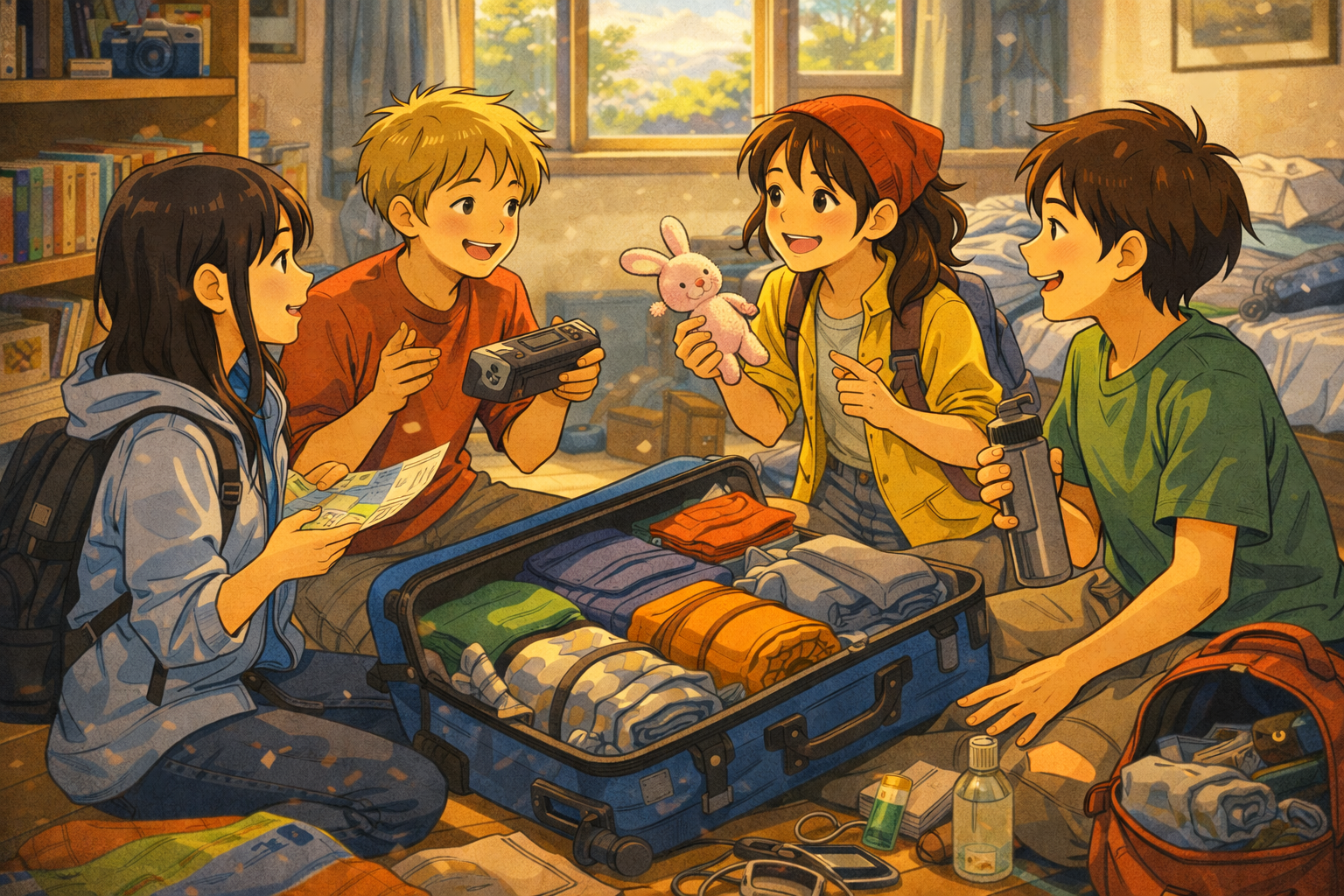
We encourage families to pack together. Ask teenagers to explain why they choose each item. This simple exercise fosters accountability and helps them understand priorities.
Smart packing isn’t about perfection. It’s about preparation, adaptability, and learning from experience.
What Parents Can Leave Behind
Perhaps the most difficult part of packing is emotional.
Parents often aim to pack solutions for every potential scenario. However, travel is more successful when teenagers are trusted to handle minor challenges themselves, with guidance and supervision.
Releasing control slightly enables growth.
Less Stuff, More Experience
A lighter bag often results in a more enriching journey.
When teenagers pack with purpose, they move more freely, worry less, and concentrate more on what genuinely matters: people, places, and experiences.
At Nomad Outdoor Division, we believe that smart packing sets the tone for intelligent travel. Not everything needs to be taken along. The most important things cannot be packed anyway.
Open the world. Expand perspectives.
Explore our programmes and discover how meaningful travel shapes young minds.