
- 296 Views
- 3 Min Read
- (0) Comment
Resilience Is Rarely Learned Alone
Resilience is frequently characterised as a personal strength.
In reality, it is most often shaped in relation to others.
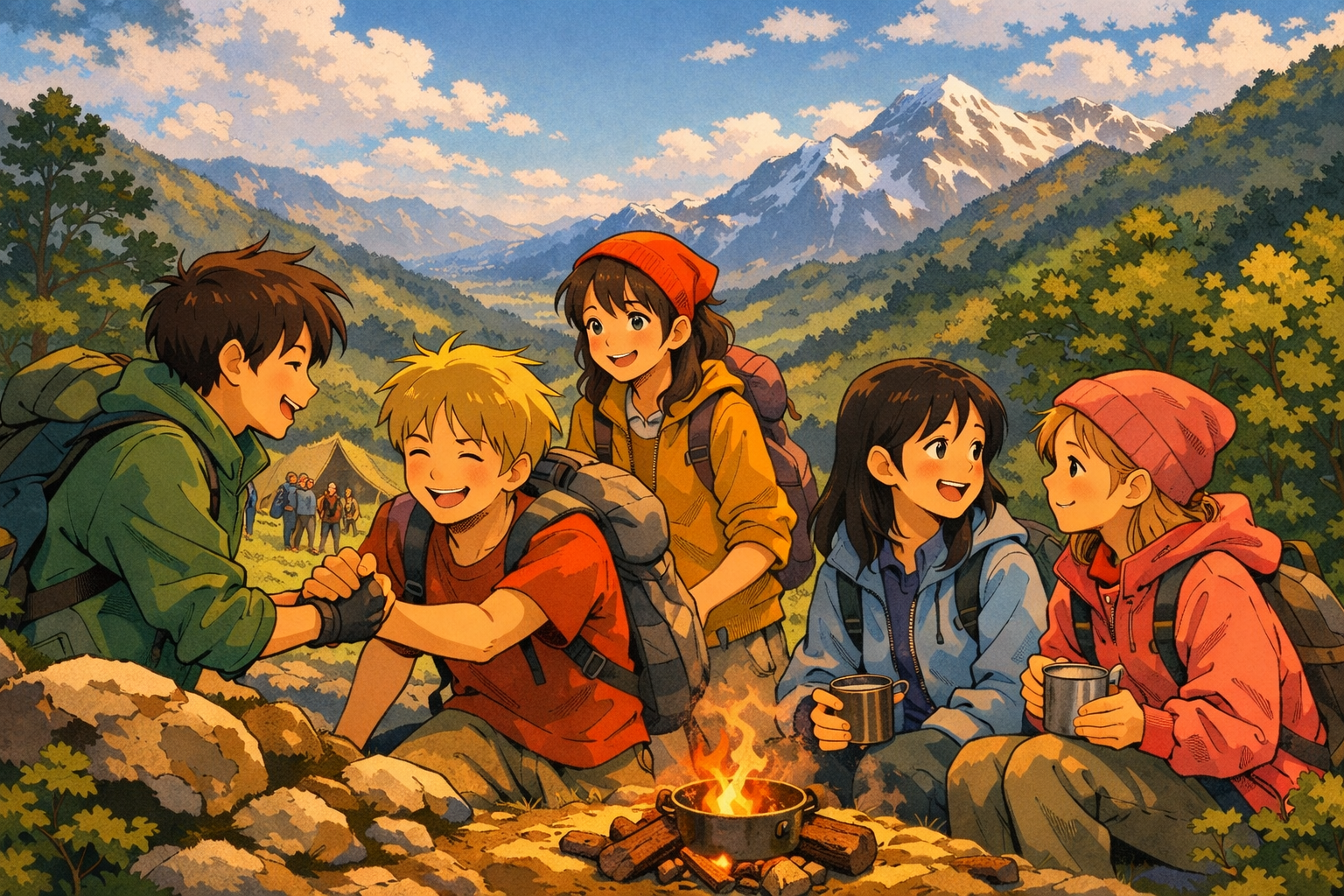
For teenagers, group travel offers a distinct environment where challenges are shared, emotions are visible, and progress is made collectively. Stepping away from family routines and familiar social circles, teenagers learn how to adapt, cope, and develop within a group. Not by avoiding difficulty, but by facing it together.
At Nomad Outdoor Division, we regard group travel as one of the most effective environments for fostering long-term resilience.
Learning to Navigate Discomfort Together
Group travel naturally brings moments of discomfort.
Early mornings, unfamiliar cuisine, physical tiredness, cultural differences, or small frustrations test patience and emotional control. In a group, these moments cannot be avoided or ignored. They must be addressed.
Teens learn that discomfort is temporary and manageable. More importantly, they discover that they are not alone in facing it. This shared experience reduces anxiety and builds confidence in their ability to cope.
Developing Emotional Regulation and Self-Control
Living in a group demands awareness.
Teens must regulate their reactions, respect others’ needs, and adapt their behaviour. They learn that resilience is not about suppressing emotions, but about understanding and expressing them appropriately.
Over time, teens become better at managing frustration, resolving tension, and recovering from setbacks. These emotional skills are vital far beyond travel.
Strength Through Mutual Support
One of the strongest qualities of group travel is peer support.
When a teen faces a challenge, another often steps in. Words of encouragement during a hike, reassurance in moments of doubt, shared laughter after a long day. These interactions teach teens that asking for help is not a sign of weakness, and offering support is a mark of strength.
Resilience develops as teens learn to depend on others and be dependable in return.
Leadership and Responsibility Within the Group
Group settings naturally reveal leadership qualities.
Not all leaders speak first. Some organise, others reassure; some observe and intervene when needed. Travel allows teenagers to experiment with responsibility in a safe environment, guided by experienced supervisors.
They learn to take initiative, contribute to group well-being, and understand the impact of their actions on others.
Bouncing Back After Challenges
Every journey has moments that do not go as planned.
A change in schedule, a missed connection, physical tiredness, or unexpected weather become opportunities to practice recovery. Teens learn that setbacks do not define the experience. How they respond does.
This ability to bounce back is at the core of resilience.
Resilience That Extends Beyond the Journey
Group travel teaches teenagers that resilience is not about being strong all the time. It is about adapting, connecting, and moving forward together.
Parents often notice the difference when their teen returns. Greater patience, improved communication, and a quieter confidence. These changes are subtle but lasting.
At Nomad Outdoor Division, we believe that shared journeys shape strong individuals. Because resilience built within a group becomes a skill teens carry into every area of their lives.
Open the world. Expand perspectives.
Explore our programmes and discover how meaningful travel shapes young minds.